Skip to content
  • Who We Are
    • About Us
      • Nobel Prize
      • ISB Today
      • What is Systems Biology?
      • Our History
      • Contact ISB
    • People
      • Leadership
      • Board of Directors
      • Director Emeritus
      • Faculty
      • Education Directors
      • Principal Scientists
      • Senior Research Scientists
      • Affiliate Faculty
      • Scientific Advisory Board
    • Labs
      • All Labs
    • Careers
      • Work At ISB
      • Faculty Development
      • Postdoctoral Fellowships
      • Grad Student Opportunities
      • Internships
  • What We Do
    • Research Areas
      • All Research Areas
      • Cancer
      • Health
      • Infectious Disease
      • Chronic Illness
      • Environment
    • Education and Training
      • Education Initiatives
      • Educator Resources
      • Student Programs
      • Courses and Symposia
    • Published Research
      • Publications
    • Open Source Software
      • Software and Downloads
    • Services
      • Olink® Services
      • Proteomics Services
  • News and Events
    • News
      • ISB News
    • Newsletter
      • Subscribe
    • Events
      • Upcoming Events
      • Events Archive
    • Media
      • Media Coverage
      • Press Releases
      • Media Inquiries
    • Social Media
      • LinkedIn
      • Bluesky
      • X
      • Instagram
      • Facebook
      • YouTube
  • Ways To Give
    • Ways To Give
      • How You Can Help
    • Giving Priority Areas
      • My Digital Gut
      • STEM Education
      • HPV+ Cancer
      • Postdoctoral Fellowship Fund
    • Team
      • Meet Us
    • Donate Now
      • Donate →
Donate
clear

Featured News

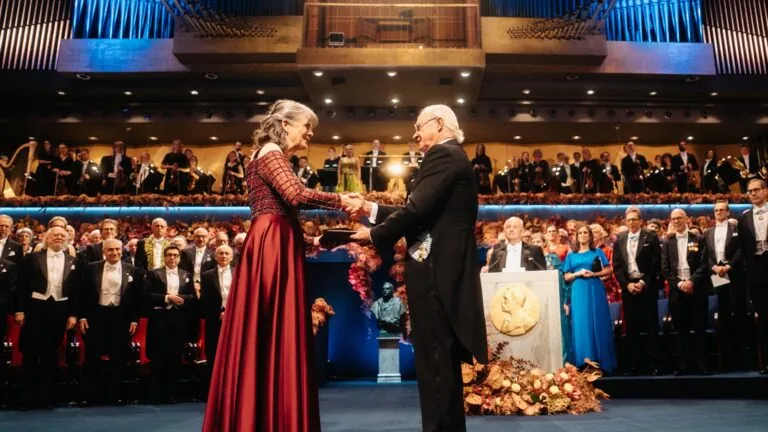
A photograph depicting a woman in a sparkling ballgown shaking hands with a man in a tuxedo on a stage with standing dignitaries behind them.

Posted: December 16, 2025

People Press Release Hood Lab
ISB’s Dr. Mary Brunkow Wins 2025 Nobel Prize in Physiology or Medicine

ISB’s Dr. Mary Brunkow Wins 2025 Nobel Prize in Physiology or Medicine

The prize recognizes foundational discoveries about regulatory T cells and the FOXP3 gene that redefined immune tolerance and opened avenues to treat autoimmune disease, enable transplantation, and advance immuno-oncology. ISB celebrates Dr. Brunkow’s leadership and collaborative science.
ISB’s Dr. Mary Brunkow Wins 2025 Nobel Prize in Physiology or Medicine
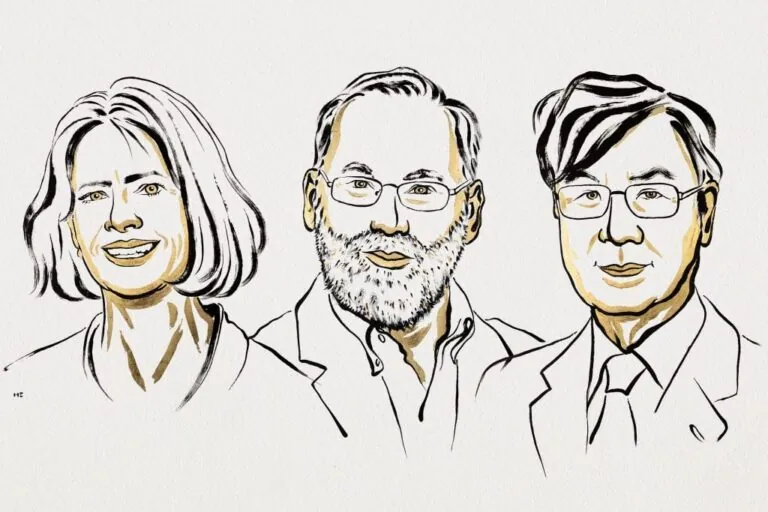
Illustration of Drs. Mary Brunkow, Fred Ramsdell, and Shimon Sakaguchi, recipients of the 2025 Nobel Prize in Physiology or Medicine.

Posted: October 23, 2025

Cancer People Press Release
The Science Behind the Nobel Prize

The Science Behind the Nobel Prize

The pioneering work of Mary Brunkow and Fred Ramsdell began with a mysterious mutant mouse known as “scurfy,” leading them to identify the FOXP3 gene and unlock how regulatory T cells prevent autoimmune disease — discoveries that now point to new treatments in cancer and autoimmunity.

The Science Behind the Nobel Prize

More News

 
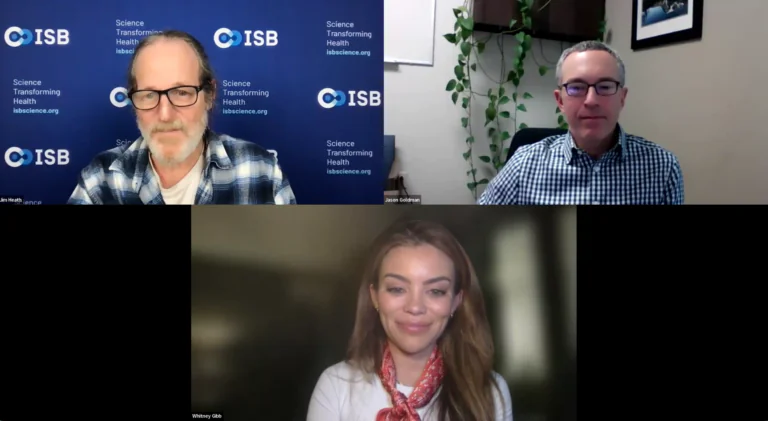
Jim Heath, Jason Goldman, and Whitney Gibb

Posted: March 18, 2026

Events Heath Lab COVID and Long COVID
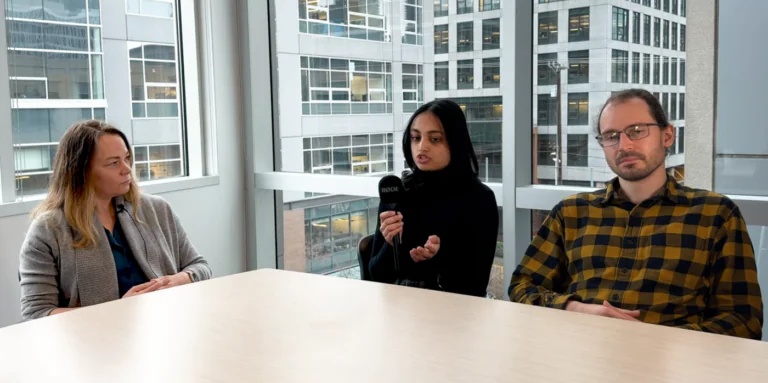
The Hidden Toll of Long COVID: One Patient’s Story and the Search for Answers

The Hidden Toll of Long COVID: One Patient’s Story and the Search for Answers

Whitney Gibb used to move through life at full speed. After COVID, brain fog, fatigue, and memory loss reshaped her daily life — offering a powerful window into the realities of Long COVID and the research now working to understand it.

The Hidden Toll of Long COVID: One Patient’s Story and the Search for Answers
Kuchina Lab members discuss new findings published in Nature Communications.

Posted: March 17, 2026

Press Release Kuchina Lab Microbiome
How gut bacteria survive viral attack

How gut bacteria survive viral attack

ISB researchers use single-cell sequencing to reveal hidden defenses against bacteriophages — and introduce a powerful new way to study phage-microbe interactions.

How gut bacteria survive viral attack
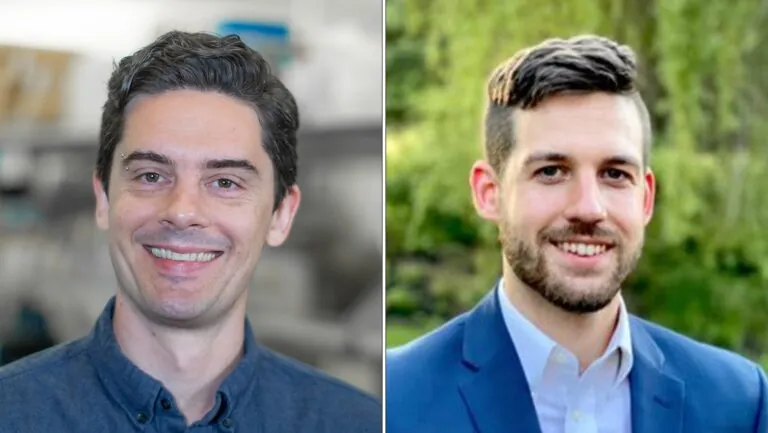
sean and nick

Posted: February 19, 2026

Health Press Release Gibbons Lab
Will It Stick? How to Tell Whether Probiotics and Prebiotics Will ‘Take’

Will It Stick? How to Tell Whether Probiotics and Prebiotics Will ‘Take’

New research from ISB’s Gibbons Lab shows that computer models of gut metabolism can predict whether probiotics will successfully establish in an individual’s microbiome and how dietary prebiotics shape health-related molecules in the gut. The findings point toward a future of more personalized, predictable microbiome-based interventions.

Will It Stick? How to Tell Whether Probiotics and Prebiotics Will ‘Take’

Posted: February 13, 2026

Environment Press Release Baliga Lab
Nitin Baliga Among 63 Fellows Elected to the American Academy of Microbiology

Nitin Baliga Among 63 Fellows Elected to the American Academy of Microbiology

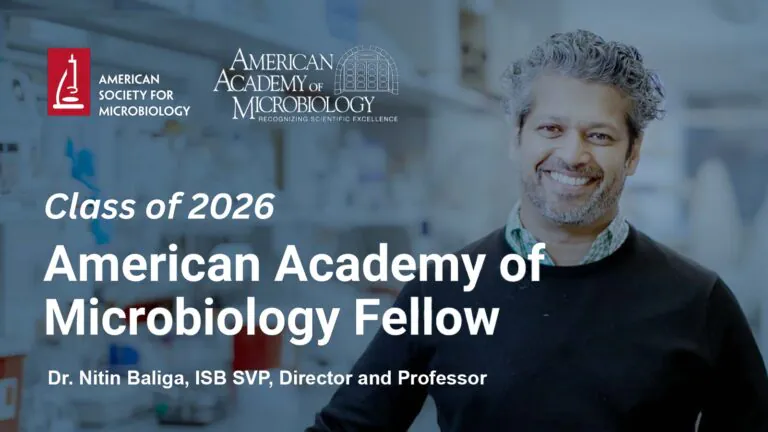
ISB Professor Dr. Nitin Baliga has been elected to the American Academy of Microbiology as part of the 2026 Fellowship Class — a highly selective honor recognizing exceptional scientific achievement and leadership in the microbial sciences. Baliga joins 62 peers from 14 countries selected through a rigorous peer-review process.

Nitin Baliga Among 63 Fellows Elected to the American Academy of Microbiology
Postdoc Journey Video

Posted: February 10, 2026

Philanthropy Baliga Lab Fellows
Behind the Breakthroughs: ISB’s Postdoctoral Fellows in Focus

Behind the Breakthroughs: ISB’s Postdoctoral Fellows in Focus

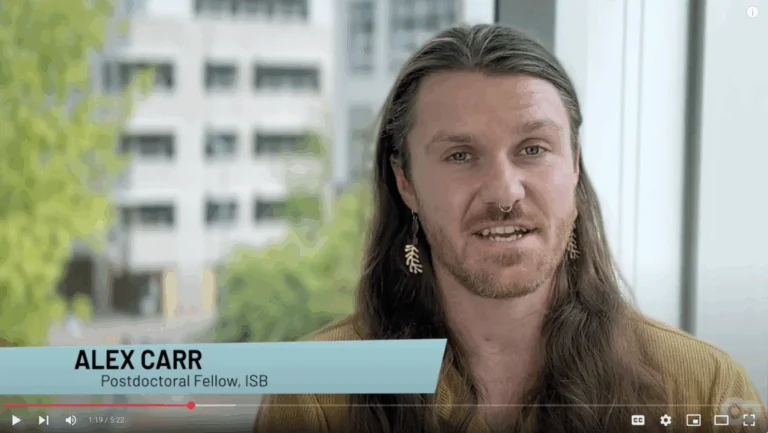
Postdoctoral fellows are the lifeblood of research institutions, yet their contributions are often underrecognized. At the Institute for Systems Biology (ISB), postdocs enter the scientific workforce with passion, vision, and advanced training – bringing the fresh ideas that fuel discovery.

Behind the Breakthroughs: ISB’s Postdoctoral Fellows in Focus
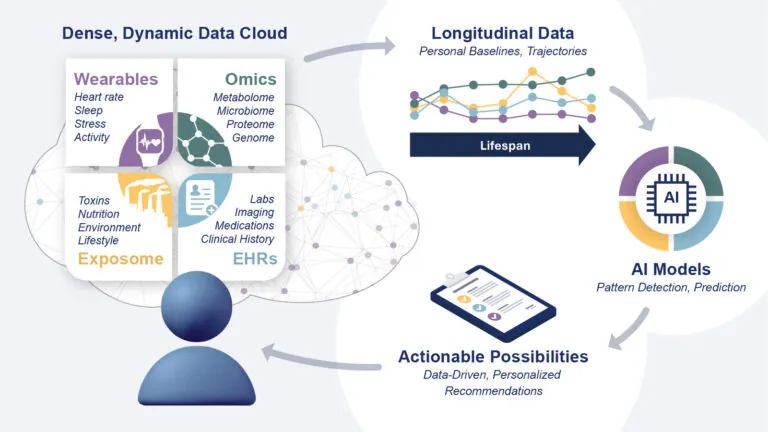
Diagram showing a cycle of precision health data. On the left, a user is surrounded by a "Dense, Dynamic Data Cloud" including Wearables, Omics, Exposome, and EHRs. Arrows point to "Longitudinal Data" tracking personal baselines over a lifespan. This feeds into "AI Models" for pattern detection, which outputs "Actionable Possibilities" for personalized recommendations, pointing back to the user.

Posted: January 26, 2026

Chronic Illness Press Release Hood Lab
AI-Era Early Detection Is Shifting Healthcare from Reactive to Proactive

AI-Era Early Detection Is Shifting Healthcare from Reactive to Proactive

Researchers at the Institute for Systems Biology argue that combining systems biology, longitudinal multiomics data, and artificial intelligence could transform healthcare from reactive treatment to proactive prevention, enabling scientists and clinicians to detect early molecular signs of disease and intervene before symptoms appear.

AI-Era Early Detection Is Shifting Healthcare from Reactive to Proactive
View All News

  • Who We Are
    • Work At ISB
    • People
  • What We Do
    • Research
    • Publications
  • News and Events
    • Media Inquiries
    • News
  • Services
    • Olink Services
    • Proteomics Services
  • Other
    • Sponsored Projects Resources
    • COI
ISB logo (1-color)
Donate Contact Us

Subscribe to Molecular Me, where we share news of our transformational research, devoted scientists and educators, upcoming events, and more.

© 2026 Institute for Systems Biology (ISB). All Rights Reserved
  • Login
  • Intranet
  • Purchase Terms
  • Terms of Service
  • Privacy Policy
Web Design by T-F